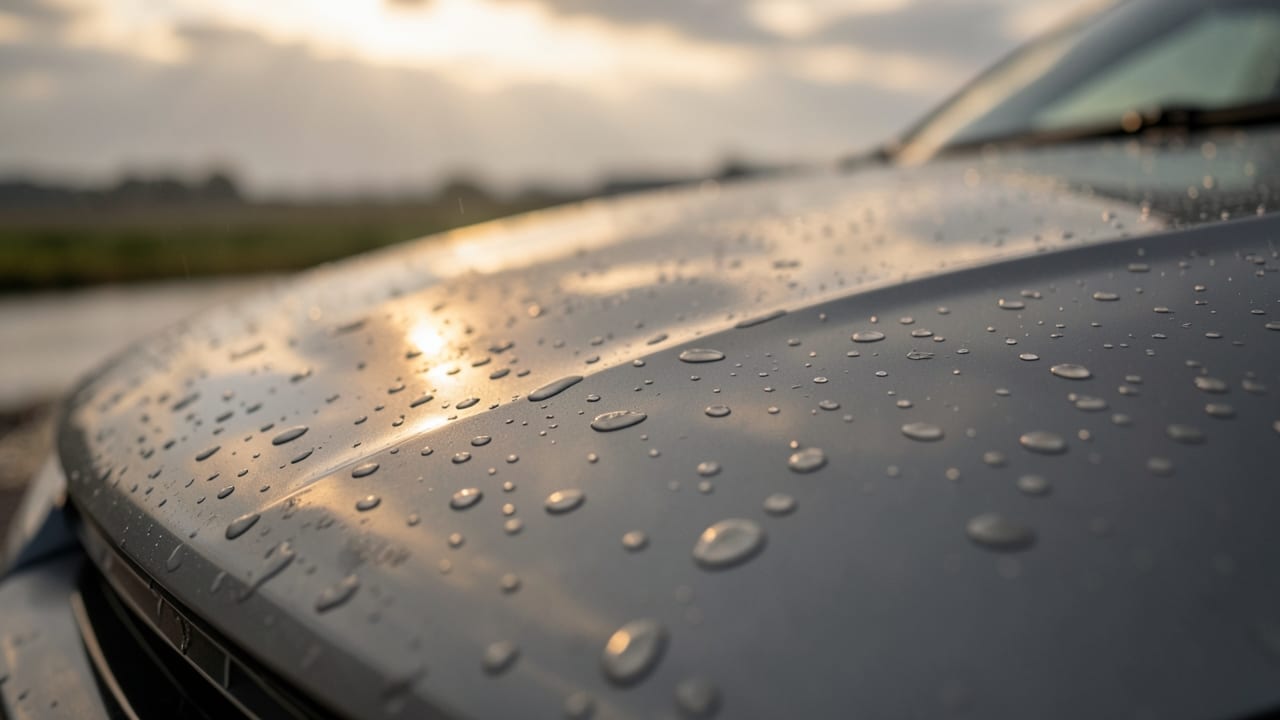
Post-Storm Contaminant Removal
Removal of contaminants from vehicle paint after storms, followed by ceramic coating application.
After Albuquerque’s frequent summer storms, embedded contaminants like tree sap, tar, and brake dust can damage your vehicle’s paint if left untreated. Our Post-Storm Contaminant Removal service identifies and safely removes these pollutants before applying a ceramic coating, restoring your car’s finish and protecting it from future damage.
Serving residents across Rio Rancho, Corrales, and the surrounding areas, we use targeted chemistry and precision techniques to ensure a flawless, long-lasting result.
We also handle Fabric Soft Top Coating and Acid Rain Etch Removal for Albuquerque vehicles.
Why contaminants need specialized removal
Not all stains react the same way to cleaning. Tree sap, for example, bonds with paint differently than brake dust or industrial fallout. Using the wrong product can smear contaminants, causing micro-scratches that ruin the ceramic coating’s effectiveness.
Our process starts with contaminant identification—determining what’s on your vehicle so we can treat it correctly.
Albuquerque’s mix of urban and desert environments means contaminants vary widely. Parking under cottonwoods in Rio Rancho? Sap buildup is likely. Driving near Kirtland AFB? Iron particles from brake dust or overspray may be the issue.
Even a single day of exposure can turn a rinse-worthy spot into a bonded contaminant that requires professional removal before coating.
Signs Your Vehicle Needs Contaminant Removal
- Dark specks remain after a soap-and-water wash, especially on light-colored paint (likely embedded rail dust or industrial fallout).
- Paint feels gritty or bumpy when touched, even after washing (indicates bonded contaminants beneath the surface).
- Tar or sap spots leave a faint shadow after wiping or reappear after parking in the same location (residue is still embedded).
- Orange or rust-colored specks appear after highway driving, concentrated behind the front wheels (embedded brake dust).
- Ceramic coating or wax layer looks patchy or uneven, suggesting prior contaminants weren’t fully removed before coating.
What affects pricing and timing?
The scope of contaminant removal depends on how deeply pollutants have embedded into the paint. A single tar spot on a hood requires less time than a full vehicle covered in brake dust from frequent highway driving.
Our technicians assess each panel individually—some areas may need clay bar treatment while others only require targeted chemical dwell time.
Storm debris like ash or pollen can complicate the process, as these often mix with other contaminants. If your vehicle was exposed to heavy fallout during a monsoon or wildfire season, we’ll account for the extra steps needed to restore the paint’s integrity before coating.
Requesting a quote upfront ensures transparency about what’s involved.
| Contaminant Type | Typical Removal Method | Time to Address (Post-Exposure) | Why It Matters |
|---|---|---|---|
| Tree sap or adhesive residues | Tar/adhesive remover + clay bar | 1–3 days (before bonding hardens) | Sap etches paint if left longer than 48 hours. |
| Brake dust (iron particles) | Iron remover + dwell time | Within 24 hours (prevents oxidation) | Iron particles oxidize, turning paint orange if untreated. |
| Industrial fallout (rail dust, overspray) | Decontamination wash + clay mitt | Immediately (prevents embedding) | Particles bond permanently after 3–5 days of exposure. |
| Bird droppings or bug splatter | Acid-neutralizing cleaner | Within 48 hours (prevents etching) | Acidic residues weaken clear coat if left too long. |
| Tar or road grime | Solvent-based remover + mechanical lift | 1–2 days (before it hardens) | Hardened tar requires abrasive methods, risking paint damage. |
Preventing future contaminant buildup
The best way to minimize contaminant removal needs is to act fast when spots appear. Rinsing off bird droppings, sap, or tar within 24–48 hours prevents them from bonding. Parking under carports or away from trees that drop sap (like cottonwoods) also reduces exposure.
Regular washes with a pH-balanced automotive soap keep loose contaminants from embedding in the first place.
After professional removal, a spray sealant restores the paint’s protective layer, making it harder for new contaminants to bond. Pair this with bi-weekly washes (or more during storm season) to maintain your vehicle’s finish. Even ceramic coatings need periodic maintenance—dirty coatings lose their protective properties over time.
How post-storm contaminant removal works
- 1Contaminant Identification
We inspect your vehicle under direct light to pinpoint the type of contaminant (tar, sap, brake dust, etc.). Each requires a specific chemistry—using the wrong product can smear the issue instead of removing it.
- 2Targeted Chemical Treatment
A dwell-time product formulated for the contaminant is applied (e.g., iron remover for brake dust). The chemical breaks down the bond without damaging the paint, unlike all-purpose cleaners that often fail.
- 3Mechanical Lift (If Needed)
For stubborn residues, a clay bar or mitt is used to gently lift what remains, lubricated to prevent scratching. This step ensures contaminants aren’t just pushed deeper into the clear coat.
- 4Rinse and Inspection
The treated area is rinsed, and we re-inspect under sunlight to confirm contaminants are fully gone—not just less visible. Some residues reappear outdoors even if they seem removed indoors.
- 5Protective Follow-Up
A spray sealant or coating topper is applied to restore the paint’s protective layer, which may have been stripped during decontamination. This step prevents future contaminants from bonding as easily.
Frequently asked questions
My car has tiny dark specks that won’t wash off—are they just dirt, or do I need professional removal?
If specks persist after a soap-and-water wash (especially on light paint), they’re likely embedded contaminants like rail dust or industrial fallout. These require decontamination before coating, as washing alone won’t remove them without risking scratches.
Will a ceramic coating stop new contaminants from sticking after removal?
Coatings add a protective layer, but they don’t eliminate the need for maintenance. Contaminants like tar or sap still bond if left too long—rinse or treat them within 48 hours to prevent re-embedding. A spray sealant applied post-removal also helps repel future buildup.
How do I know if my vehicle’s contaminants are bad enough for professional removal?
If contaminants feel gritty when touched, leave a shadow after wiping, or reappear after washing, they’ve bonded below the surface. Surface dirt washes off easily, but embedded pollutants require chemistry and mechanical lift—skipping this step can trap them under a coating, shortening its lifespan.
Does the type of coating (SiO2 vs. graphene) affect how well it protects against contaminants?
All coatings add hardness, but prep quality matters more. A graphene coating over unaddressed contaminants won’t last as long as one applied after full decontamination. The tier (single-layer vs. multi-layer) affects durability, but skipping iron removal or clay bar steps undermines even premium coatings.
Where Albuquerque sits, and what the Census lists nearby
Albuquerque sits in New Mexico, and the closest places listed in the U.S. Census Gazetteer are Los Ranchos de Albuquerque (4 miles north), North Valley (4.9 miles north), Kirtland AFB (6.2 miles southeast), South Valley (6.9 miles south).
Within 25 miles of Albuquerque the same source lists 40 distinct incorporated places and census-designated places.
Those figures matter for post-storm contaminant removal because they are straight-line distances between Census coordinate points: road mileage between Albuquerque and Los Ranchos de Albuquerque runs longer than the 4 miles shown, which is why quotes for the same job differ between towns that look close together on a map.
Source: U.S. Census Bureau Gazetteer.
See Bernalillo, NM for more, or see the full ceramic coating lineup we run in Albuquerque by category for our complete lineup.
Ready to get started?
Talk to a local ceramic coating pro in Albuquerque — get a written quote.
Other Ceramic Coating Services in Albuquerque
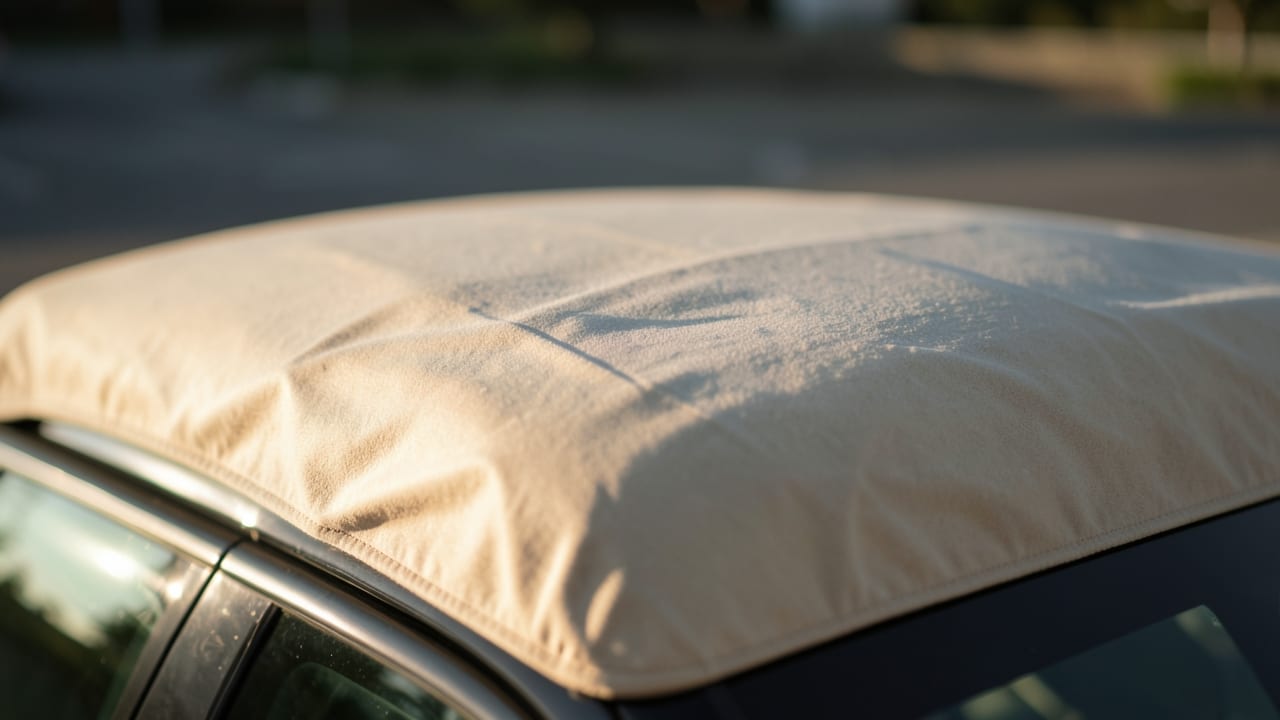
Fabric Soft Top Coating in Albuquerque, NM
Application of ceramic coating to protect and enhance fabric soft tops on vehicles.
Learn More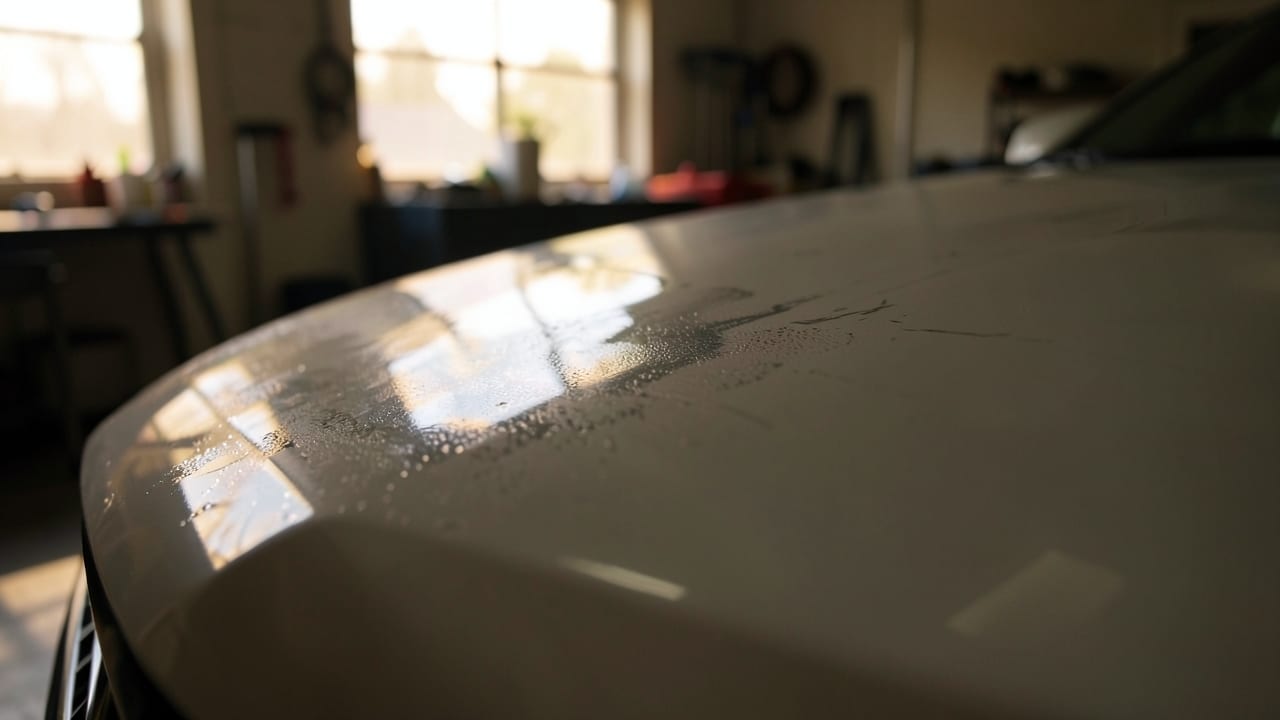
Acid Rain Etch Removal in Albuquerque, NM
Professional removal of acid rain etching from vehicle surfaces using ceramic coatings and paint correction.
Learn More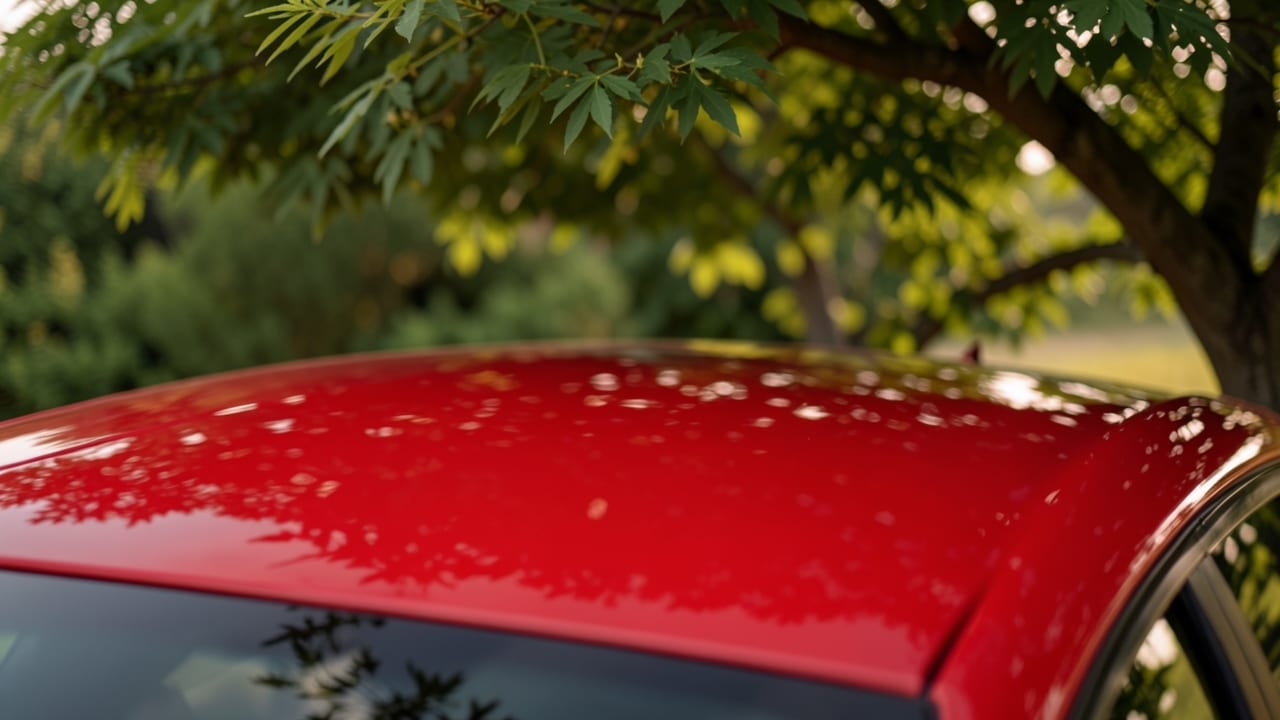
Tree Sap Removal in Albuquerque, NM
Professional removal of tree sap from vehicle surfaces using safe, paint-friendly methods.
Learn More
Iron Particle Decontamination in Albuquerque, NM
Removal of embedded iron particles from automotive paint using chemical solutions.
Learn More
Road Tar Removal in Albuquerque, NM
Professional removal of road tar from vehicle paint using safe, ceramic-friendly methods.
Learn More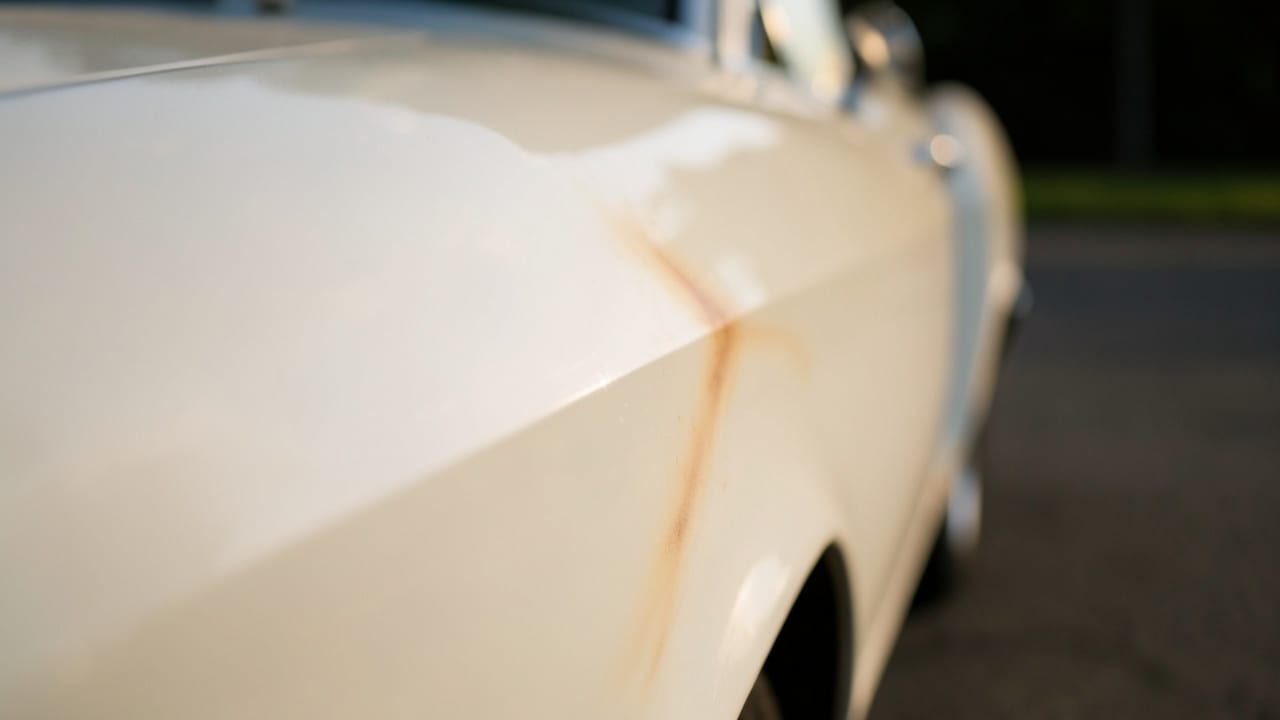
Oxidation Removal in Albuquerque, NM
Professional removal of oxidation from vehicle paint to restore clarity and prepare surfaces for ceramic coating.
Learn MoreCommon Questions About Ceramic Coating in Albuquerque
Everything you need to know about ceramic coating services in Albuquerque
How much does Post-Storm Contaminant Removal typically cost in Albuquerque, NM?
Does intense UV and dust in Albuquerque, NM change coating maintenance?
Is ceramic coating ever covered by comprehensive auto insurance?
Can ceramic coating be applied over a vinyl wrap or matte paint?
What does proper paint prep before a ceramic coating actually involve?
How should a coated vehicle be washed after the coating is applied?
Need Ceramic Coating in Albuquerque?
Get a written quote from our Albuquerque crew.
⏰ We answer your call • Serving all of Albuquerque and surrounding areas